Tesla Powerwall vs. Generator: Which Is the Better Backup Power Solution for Your Home?
May 3, 2026
.png)
When the power goes out, you want your home protected: fast, automatically, and without the hassle. Most homeowners in the Midwest are familiar with generators, but a newer option is quickly becoming the preferred choice: the Tesla Powerwall. Here's a clear breakdown of how they compare, and why more and more homeowners are making the switch.
The short answer: A generator runs on fuel and requires manual startup, regular maintenance, and produces noise and exhaust fumes. A Tesla Powerwall is a sleek home battery that automatically kicks in the instant the grid goes down, silently, cleanly, and without you lifting a finger. For most homeowners, the Powerwall offers a smarter, lower-maintenance, and more future-ready solution.
What Is a Tesla Powerwall?
If you've never heard of a Powerwall before, think of it as a rechargeable battery for your entire home. About the size of a large suitcase, the Powerwall mounts on your wall (inside or outside) and stores electricity that can power your home when the grid goes down.
The Powerwall charges from your solar panels during the day (or from the grid during off-peak hours) and automatically switches your home to battery power the moment it detects an outage. There's no startup procedure, no running to the garage, and no waiting. The lights simply stay on.
Each Powerwall holds 13.5 kWh of usable energy, enough to run most home essentials (refrigerator, lights, outlets, Wi-Fi, phone charging) for a full day or more. And if you have solar panels paired with it, your Powerwall keeps recharging throughout the day, extending your backup power indefinitely as long as the sun is out.
What Is a Generator?
A traditional generator, whether portable or whole-home standby, burns fuel (gasoline, propane, or natural gas) to produce electricity during an outage. Portable generators are lower cost but require manual setup, extension cords, and fuel on hand. Whole-home standby generators are more convenient but carry a significant price tag and ongoing maintenance costs.
Generators have been the go-to backup power solution for decades, and they certainly work. But they come with real tradeoffs that are worth understanding before you decide.
Tesla Powerwall vs. Generator: A Direct Comparison
Automatic Activation
The Powerwall detects a grid outage and switches your home to battery power in a fraction of a second, and you may not even notice it happened. A portable generator requires you to set it up, add fuel, and manually connect it. Even a whole-home standby generator takes 10–30 seconds to detect the outage and spin up.
Noise and Fumes
Generators are loud. A typical unit runs at 65–75 decibels, roughly the volume of a vacuum cleaner, running continuously. They also produce carbon monoxide, meaning they must stay outside and away from windows and doors. The Powerwall operates in complete silence and emits zero emissions, so it can be installed indoors pending local building code, outside on the exterior wall of your home or in an attached garage without concern.
Maintenance
Generators require regular oil changes, filter replacements, and fuel stabilizer treatments to stay ready for when you need them. Many homeowners discover their generator won't start during an actual outage because of deferred maintenance. The Powerwall requires zero routine maintenance and is monitored remotely through the Tesla app.
Fuel Dependency
Generators need fuel, and during widespread outages (the exact scenarios you need backup power most), gas stations run dry fast. The Powerwall draws from stored solar energy or off-peak grid power, so you're never scrambling for fuel when it counts.
Integration with Solar
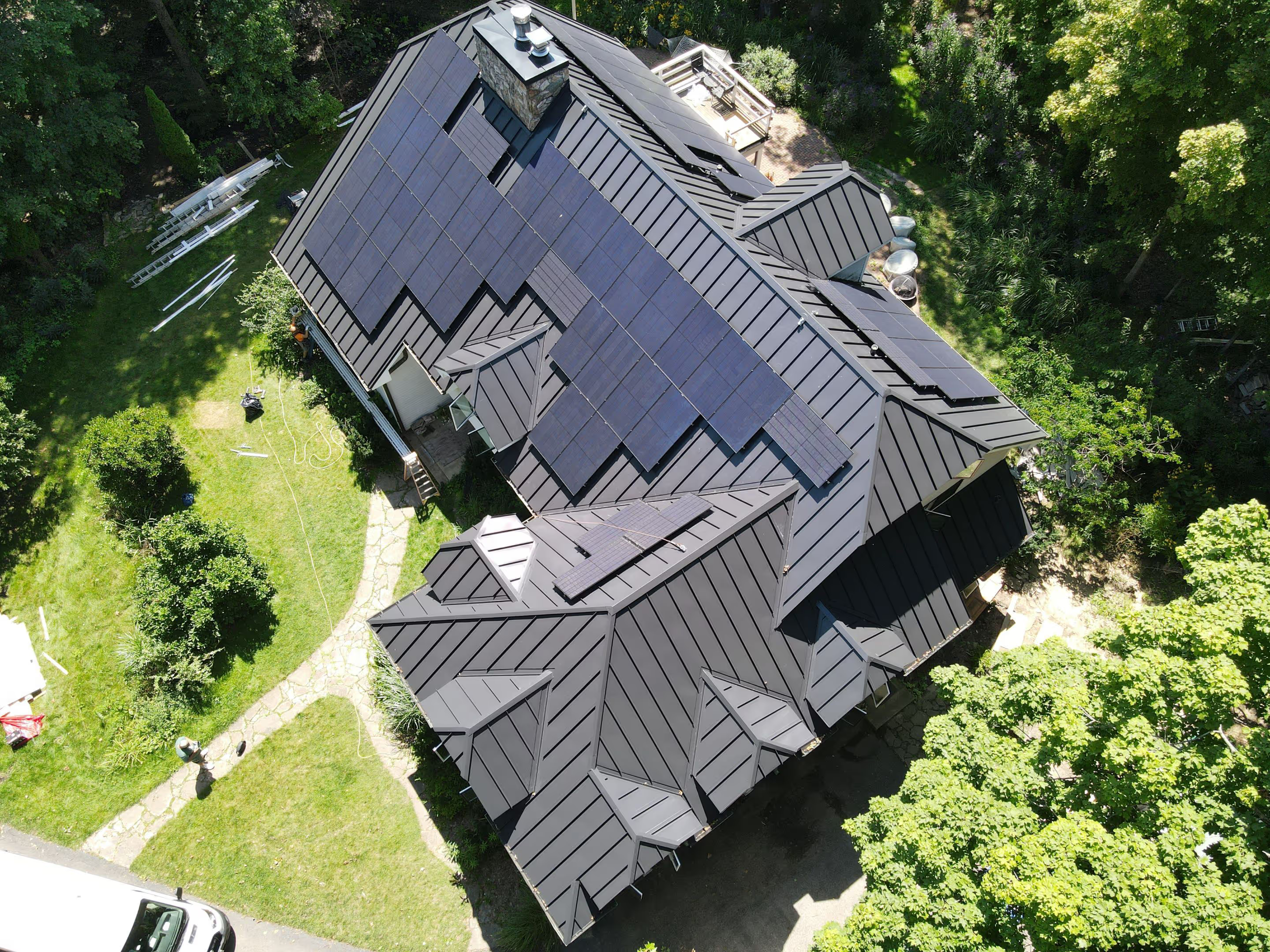
This is where the Powerwall truly shines. When paired with Tesla Solar Panels or a Tesla Solar Roof, the Powerwall creates a self-sustaining energy ecosystem. Your panels charge your battery during the day, your battery powers your home at night or during outages, and you can potentially go days or weeks without relying on the grid at all. Generators have no meaningful integration with solar.
Cost Over Time
A portable generator costs less upfront, but fuel costs, maintenance, and eventual replacement add up. Whole-home standby generators often cost $10,000–$20,000 installed, comparable to a Powerwall, but with ongoing fuel and service costs. The Powerwall has no fuel cost, minimal maintenance, and comes with a 10-year warranty. When paired with solar, it can also reduce your monthly utility bill, making it a genuine long-term investment rather than a pure expense.
Environmental Impact
If energy efficiency and sustainability matter to your family, the choice is clear. The Powerwall stores and uses clean energy. A generator burns fossil fuels every time it runs.
Why Midwest Homeowners Are Making the Switch
In the Midwest, severe weather (ice storms, heavy snow, summer thunderstorms) means outages aren't rare. They can last hours or even days. For homeowners who've relied on a generator for years, the Powerwall offers the same protection with a dramatically better experience: no startup, no fuel runs, no noise, and no exhaust.
And for homeowners already thinking about solar, pairing a Tesla Solar Roof or Tesla Solar Panels with a Powerwall creates one of the most resilient home energy systems available today.
Frequently Asked Questions
Q: Can a Tesla Powerwall power my whole home during an outage? A: It depends on your home's size and energy usage. A single Powerwall can power essential circuits (refrigerator, lights, outlets, Wi-Fi) for a full day or more. Many homeowners install two Powerwalls for more comprehensive whole-home coverage, and when paired with solar, the system recharges continuously during daylight hours.
Q: How long does a Tesla Powerwall last on a single charge? A: With typical usage of essential appliances, a single Powerwall (13.5 kWh) can last 12–24 hours. With solar panels recharging it during the day, backup protection can extend indefinitely as long as sunlight is available.
Q: Is the Tesla Powerwall difficult to install? A: Installation requires a Tesla Certified Installer and typically takes one day. As the Tesla Certified Installer for the Midwest, Phoenix Exteriors handles everything from permitting to final connection, so the process is seamless for homeowners.
Q: Are there any incentives for installing a Tesla Powerwall? A: Yes, in Illinois the main utilities ComEd and Ameren offer $4,050 for each Powerwall you install.
Q: What happens to my Powerwall if I don't have solar panels? A: The Powerwall can be installed without solar and will charge from the grid, typically during off-peak hours when electricity rates are lowest. It still provides seamless backup power during outages, though without solar it won't recharge during an extended outage.
Ready to Ditch the Generator for Good?
Phoenix Exteriors is the Tesla Certified Installer for the Midwest, and we've helped hundreds of homeowners make the switch to cleaner, smarter home energy. Whether you're starting with a Powerwall, adding solar, or looking at a full Tesla Solar Roof, we'll walk you through every option and help you find the right fit for your home and budget. Learn more about Tesla Powerwalls with Phoenix Exteriors.
Get your free inspection today and find out what a Tesla Powerwall can do for your home.
Related Content


Get a Free Roofing Inspection
No money down, flexible terms, & low monthly payments
Discover the Phoenix Difference
Phoenix Exteriors is dedicated to creating a brighter future by combining roofing and solar expertise with a commitment to sustainability, delivering exceptional service while reducing our environmental footprint.