Rainy Season Roof Damage: When to File an Insurance Claim (and When to Wait)
July 23, 2026
Spring storms don't just bring rain. They bring wind-driven downpours, hail, and the kind of sudden temperature swings that stress a roof system in ways sunny weather never does, whether you're in Chicagoland or the Memphis and Nashville areas. If you've noticed a stain on your ceiling or missing shingles after the last storm rolled through, you're probably wondering whether it's time to call your insurance company or your roofer first.
The short answer: file a claim as soon as you have visible, storm-related damage and photo documentation, ideally within the timeframe your policy specifies (often 12 months, but check your declarations page). Waiting too long can give an insurer grounds to deny the claim, while filing before you've documented the damage properly can lead to a lowball payout. The right sequence is: document, get a professional inspection, then file.
Why Rainy Season Is When Roof Damage Actually Shows Up
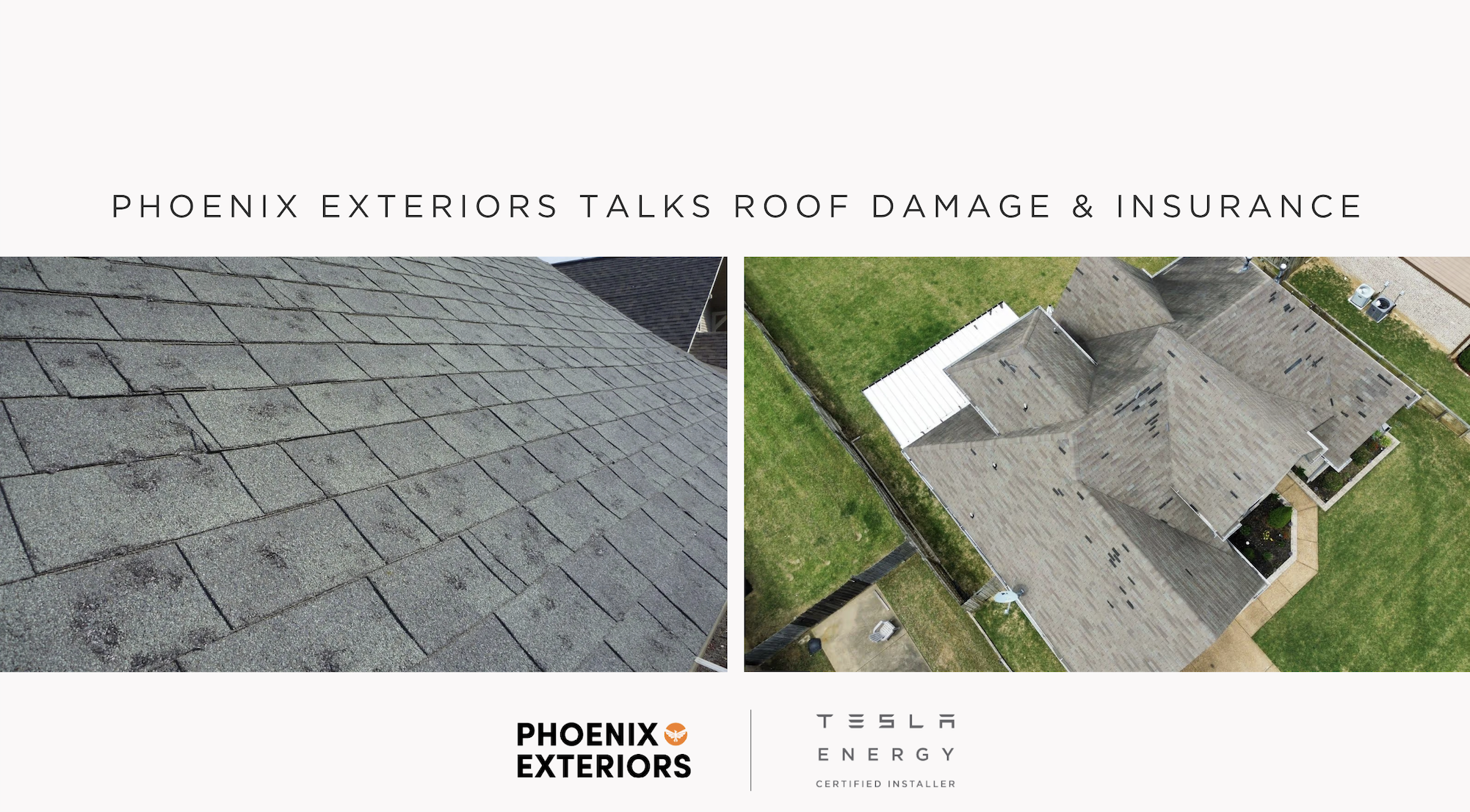
Roof damage from wind and hail is often invisible from the ground. A storm can loosen shingle seals, crack flashing, or create small punctures that don't leak right away. It's the next heavy rain that pushes water through those weak points and turns hidden damage into a ceiling stain.
That's why homeowners across Chicagoland and the Memphis and Nashville areas tend to discover roof problems in clusters, right after the first big rainy stretch following a hailstorm or high-wind event. If your roof took a hit weeks ago and seemed fine, don't assume it's in the clear. The real test is how it holds up once sustained rain arrives.
Signs You Have Storm Damage Worth Documenting
Walk your property (safely, from the ground) after any significant storm and look for:
- Granules from shingles collecting in gutters or downspouts
- Shingles that are cracked, curled, or missing entirely
- Dented or damaged gutters, vents, or flashing
- Water stains or active drips on interior ceilings
- Soft spots on the roof deck if you can see it from an attic
Hail damage often spreads well beyond the roof. Also check for:
- Dents or dings on gutters, downspouts, and metal fascia
- Cracked, chipped, or pitted vinyl or fiber-cement siding
- Torn window screens, dented window wraps/capping, or cracked panes
- Dents on the garage door, exterior doors, or metal roof vents
- Bent or dinged fins on your outdoor AC condenser
- Pockmarks on decks, railings, fences, or painted surfaces
- "Spatter" marks or clean dinged spots on soft metals, a tell adjusters use to confirm hail size and how recent the impact was
Photograph everything with a timestamp, including the date of the storm if you know it. Insurance adjusters weigh dated evidence heavily, and photos taken the same week as a storm carry more weight than photos taken a month later.
When to File: The Timing That Actually Matters
Most homeowner policies have a filing deadline, commonly one year from the date of loss, though some insurers set shorter windows. Filing promptly matters for three reasons:
- Evidence degrades. Rain, wind, and sun continue to affect a damaged roof, making it harder for an adjuster to tie the damage to a specific storm the longer you wait.
- Secondary damage grows. A small leak left unaddressed for a month can turn into rotted decking or mold, and insurers may argue that delayed reporting contributed to the larger loss.
- Insurers track claim patterns by date. Filing shortly after a documented regional storm event (something your insurer can verify against weather records) strengthens your claim.
That said, don't file the moment you see a single missing shingle without confirming it's storm-related and not simply wear and tear. A professional inspection before filing helps you present a complete, accurate picture instead of amending a claim later, which can slow down your payout.
Hail Damage Rarely Stops at the Roof
Hail is the leading cause of storm claims in our service areas, more so than wind. And hail rarely limits itself to the roof. The same storm that bruises shingles routinely dents gutters and downspouts, cracks or pits siding and fascia, tears window screens and damages window capping, dings garage doors and exterior doors, and marks soft metals like vents, valleys, and the fins on your AC condenser. It can also pockmark decks, railings, fences, and painted surfaces.
Homeowners rarely think to look at any of this, and a quick adjuster walk-through often scopes the roof and nothing else, which means real, covered damage gets left off the estimate. An experienced contractor inspects the full exterior envelope, documents every impacted component, and presents those findings to your carrier as one complete claim, so you're not absorbing the cost of damage that should have been covered.
Get the Inspection Before the Claim, Not After
This is the step homeowners skip most often, and it's the one that saves the most money. A licensed roofing contractor can identify the full scope of damage, including issues an insurance adjuster might miss on a quick walk-through. Bringing a written, photo-documented inspection report to your insurer puts you and the adjuster on the same page from the start.
As a Tesla Certified Installer with deep roofing expertise, Phoenix Exteriors inspects both the roofing system and any integrated solar equipment, since Tesla Solar Roof and traditional panel systems each respond differently to hail and wind. That combined perspective matters if your roof has solar installed: a roofing-only inspection can miss damage to flashing around panel mounts, while a solar-only inspection can miss underlying shingle or decking issues.
What to Expect From the Claims Process
- Document the damage with dated photos and video, inside and out.
- Schedule a professional roof inspection to confirm the cause and scope of damage.
- File the claim with your insurer, referencing the storm date and your inspection findings.
- Meet the adjuster at your property, ideally with your contractor present to point out damage that's easy to overlook from the ground.
- Review the estimate the insurer provides against your contractor's assessment before agreeing to a scope of repair.
- Supplements, if needed. When hidden damage is found mid-project, your contractor files a supplement to the carrier. That's normal, and it's how underscoped claims get corrected.
Having a contractor present during the adjuster's visit is one of the simplest ways to avoid a claim being underscoped, which is a common reason homeowners end up paying out of pocket for repairs they assumed were fully covered.
Frequently Asked Questions
How long do I have to file a roof damage claim after a storm? Most policies allow up to a year, but it varies by insurer and state. Check your policy's declarations page or call your agent to confirm your specific deadline, and don't wait until it's close to filing.
Will filing a claim raise my insurance rates? It can, particularly if you file multiple claims in a short period. A single legitimate storm damage claim is typically treated differently than repeated smaller claims, but rate impact varies by insurer.
Do I need a roof inspection before I file a claim? It's not required, but it's strongly recommended. An inspection gives you documented evidence of the damage and its likely cause, which helps prevent disputes with the adjuster later.
What if my roof has solar panels installed? Make sure whoever inspects your roof is qualified to assess both the roofing material and the solar mounting system. Damage to one can affect the other, and a claim that only accounts for one system may leave you under-covered.
Can I choose my own contractor for repairs instead of the insurer's recommended vendor? Yes. You have the right to choose your own licensed contractor for repairs, regardless of who your insurer suggests.
How does the insurance company decide what to pay? Most policies pay on a replacement-cost basis in two parts: an initial actual cash value (ACV) check up front, with depreciation and your deductible held back, and the remaining recoverable depreciation released after the work is completed and invoiced. Knowing this keeps you from assuming the first check is the whole payout.
Do I have to pay a deductible? Yes, your deductible is your responsibility on any claim. Be cautious of any contractor who offers to waive or absorb it. In most states that's insurance fraud, and it's a sign to walk away.
Get a Free Inspection Before You File
If your roof took damage this rainy season, don't guess at the scope of the problem. Phoenix Exteriors offers free roof inspections for homeowners across Chicagoland and the Memphis and Nashville areas, with the added expertise of a Tesla Certified Installer if your home has solar or you're considering it. Learn more on our Storm Damage Repairs page or schedule your free inspection and get a documented report you can bring straight to your insurer.



Get a Free Roofing Inspection
No money down, flexible terms, & low monthly payments

Discover the Phoenix Difference
Phoenix Exteriors is dedicated to creating a brighter future by combining roofing and solar expertise with a commitment to sustainability, delivering exceptional service while reducing our environmental footprint.